
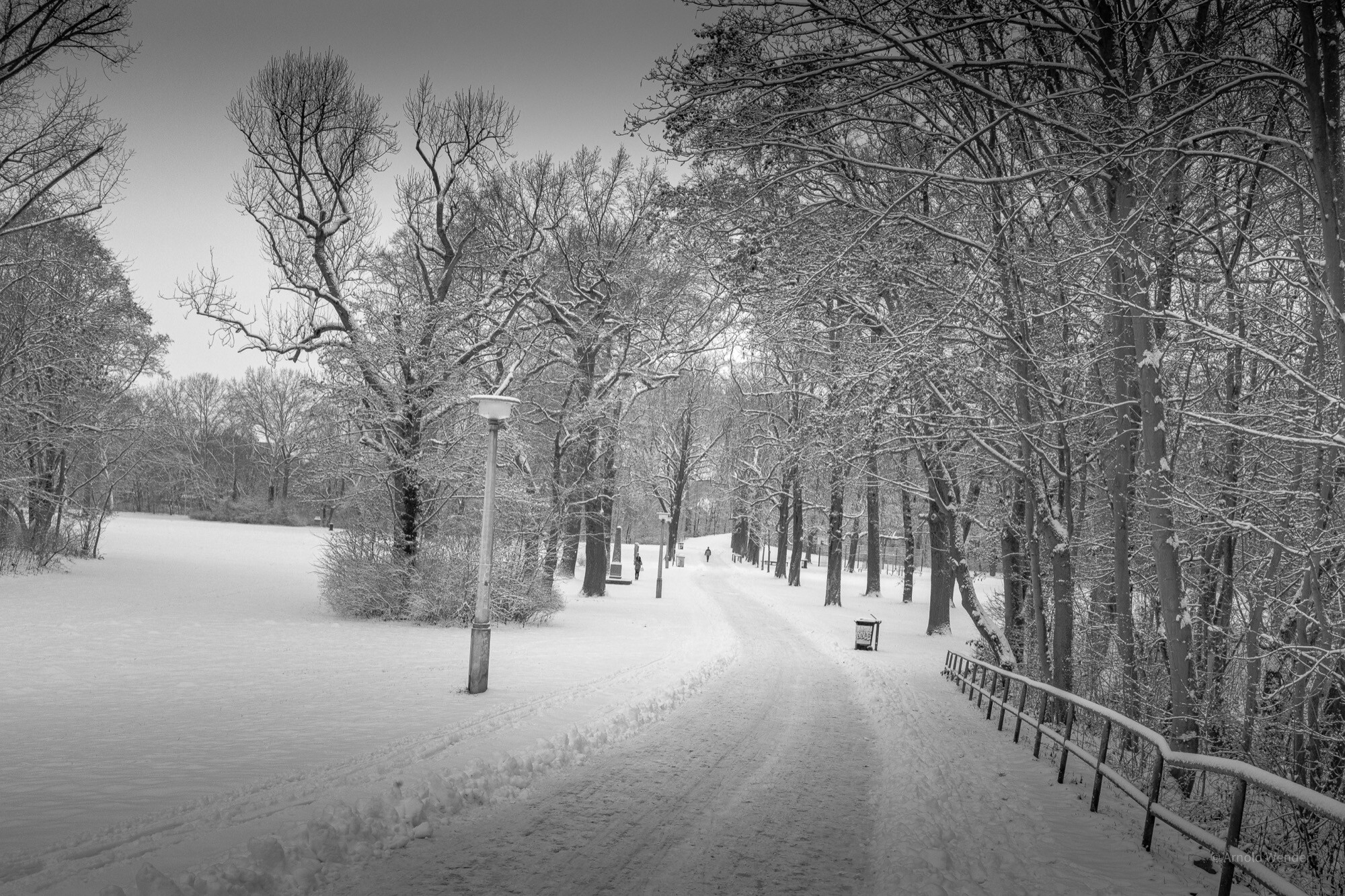
Peißnitz Island is the green heart of Halle. Enclosed by the arms of the Saale, the island stretches for nearly two kilometers through the center of the city. For me, it represents an endless photography project — because it never looks the same in any season.
Spring — Awakening and Tender Green
From late March, the Peißnitz practically explodes with life. Crocuses and wood anemones blanket the forest floor before the trees close their canopy. This brief window of two to three weeks is photographically priceless — light still reaches the ground and bathes the flower carpets in soft backlight.
Camera Settings for Spring
- Focal length: Macro (90–100 mm) for blossom details, 24–35 mm for forest scenes
- Aperture: f/2.8–f/4 for isolating individual flowers, f/8 for broader views
- Time of day: Early morning, when the forest is still in shade and individual sunbeams break through
- Tip: Work low — on your knees or at ground level for the flowers’ perspective
Summer — Density and Lushness
In summer, the Peißnitz becomes a dense floodplain forest. The leaf canopy filters light into a green shimmer that creates an almost tropical atmosphere on hot days. The challenge: managing the contrast between dark forest and bright patches of light.
I use summer for detail shots — tree bark, leaf structures, insects on wildflowers. Peißnitz Island harbors a remarkable biodiversity that can be beautifully captured with a macro lens.
Along the riverbank, the best summer shots come in the late afternoon, when warm light skims low across the water and the willows along the bank glow golden.
Autumn — A Blaze of Color and Transience
Autumn is the crown discipline of landscape photography. On the Peißnitz, the foliage color change begins in mid-October and reaches its peak from late October to early November. The avenues transform into golden tunnels, and the leaves on the ground form colorful carpets.
Best Autumn Subjects
- Avenue to the Peißnitzhaus: The central avenue with its old linden trees offers a perfect vanishing-point composition
- Saale riverbank: Autumn leaves on the water surface, paired with reflections of the colorful bank trees
- Solitary trees: Freestanding oaks on the meadow before the Peißnitzhaus as standalone subjects
My autumn setup: Canon EOS R5 with RF 24-70mm f/2.8L, polarizing filter for saturated colors and reduced reflections. Aperture f/8, ISO 100, and a tripod for tack-sharp shots during golden hour.
Winter — Reduction and Silence
Winter strips the Peißnitz bare. Without foliage, the tree structures become visible — intertwined branches silhouetted against the gray sky. Hoarfrost transforms the landscape into a monochrome world that practically demands black and white treatment.
Winter Tips
- Hoarfrost mornings: These days are rare and precious. On clear, cold nights, hoarfrost forms and sparkles in the first sunlight. Rising early is worth it.
- Exposure compensation: Snow and hoarfrost fool the light meter. Compensate plus 1 to 1.5 stops so that white actually appears white.
- Minimalism: Less is more. A single tree in fog, footprints in snow, a frozen river arm — the strongest winter images are often the simplest.
A Project That Never Ends
The Peißnitz teaches patience. Photographing the same place over an entire year develops a deeper understanding of light, weather, and nature. No visit is like the last, and that is exactly what makes this long-term project so rewarding.